Brilliant Bookworms (Reading)
Intent
At Combs Ford Primary School, we believe that reading is pivotal for children to reach their full potential. Reading facilitates cognitive development, language acquisition and boasts confidence and empathy. In order to achieve in reading, children need to be able to access and enjoy reading. Therefore, our curriculum not only supports our children to access reading materials but also supports them in fostering a love of reading. It is important that our children have the opportunity to read daily in lessons to enable them to become fluent, confident readers who can successfully access, understand and comprehend a wide range of reading texts. Through the immersion of our reading curriculum, we also want children to find their favourite authors, genres and develop wider knowledge about the world they live in. Before they leave primary school, all children should be fluent, confident readers able to access and understand a range of different texts in preparation for secondary education. Our reading curriculum is inclusive; we place no limits on what people can achieve and hold no preconceptions about their ability to make progress. Recognising that our families play a vital role in supporting their development, we aim to build a strong home-school partnership. We support families in understanding how they can reinforce and extend reading skills taught at school through encouraging reading high-quality texts.
Our reading bookshelves have been created to introduce children to a range of texts. It has been designed to be inclusive, progressive, nurture curiosity through supportive links with the wider curriculum and celebrate diversity and cultural values within our community. Our intention is to enable children to enrich their experiences through literature, broaden their understanding of the world and develop an extensive vocabulary that allows them to access complex texts throughout their further education and later lives.
Implementation
At Combs Ford Primary School, we believe being able to read is one of the most important things that you can teach a child. It opens up the world, allowing children to enjoy literature and seek and access information of interest. We teach phonics using Twinkl Phonics, a DfE validated scheme. Through the teaching of phonics, our children learn the sounds in words and how those sounds are written down. Once children can recognise and blend sounds together and begin to recognise an increasing number of exception words, they practise reading decodable books at their phonics ability. Find out more about how we teach and support the teaching of phonics here.
Teachers share reading texts daily. These might be traditional stories, core texts from our reading spine, poetry, rhymes and information texts. While this helps encourage a love of reading, it also supports their vocabulary and comprehension, in addition to supporting their writing.
Reading in EYFS
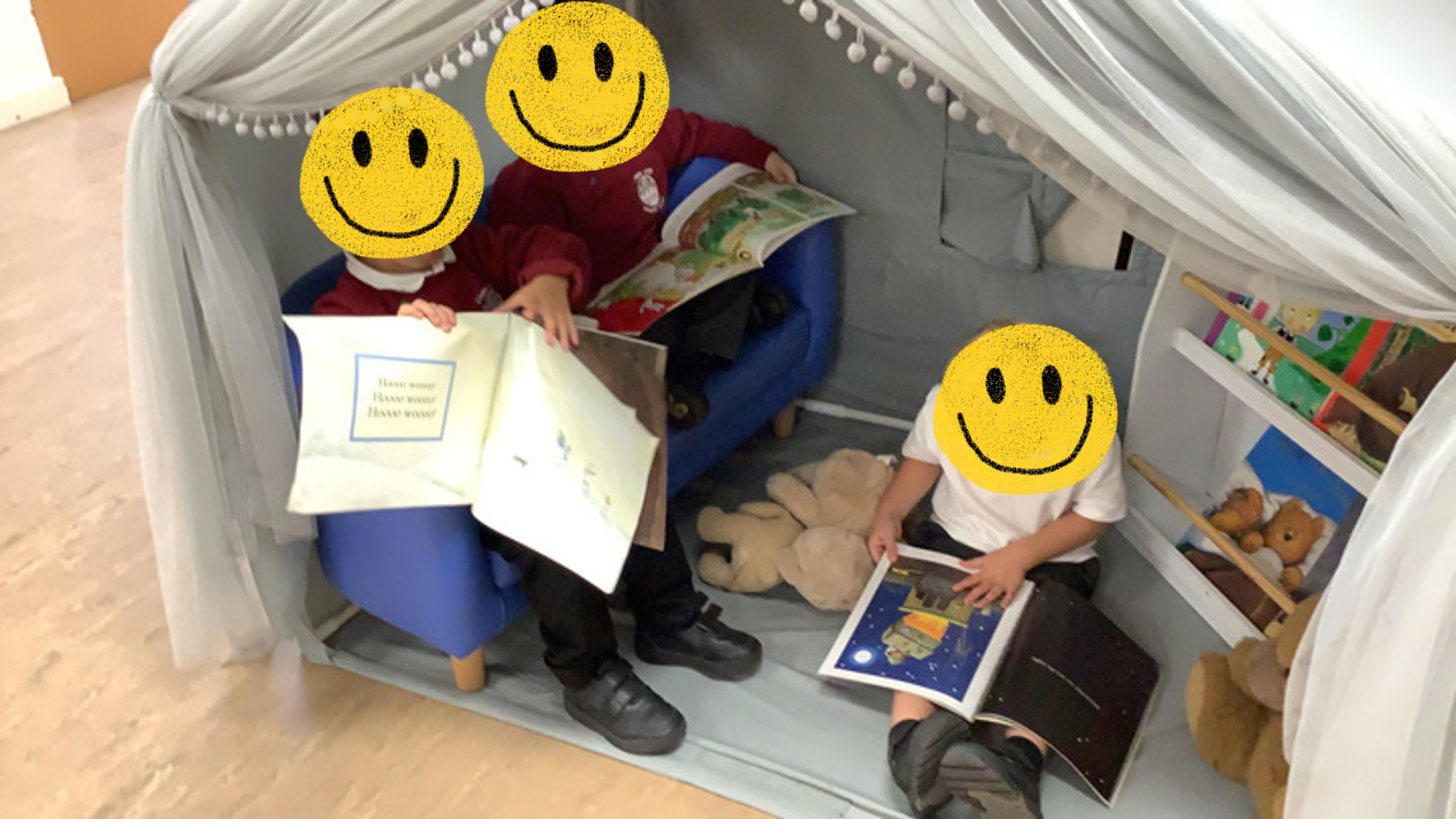
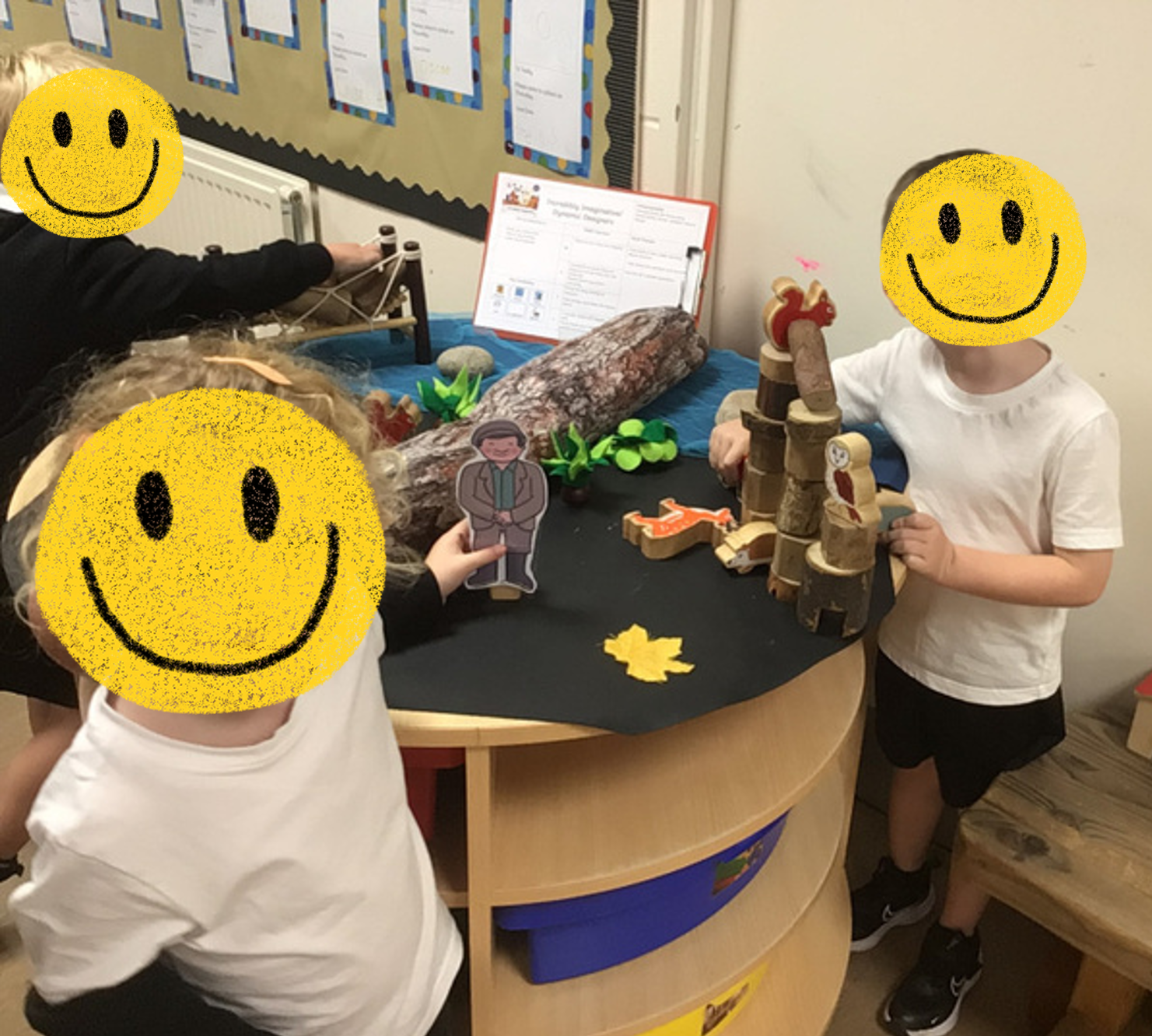
In EYFS, high-quality texts form the basis of everything we do. Children hear the weekly text multiple times throughout the week, so that they become familiar with the text and are able to retell parts of the story. Once a week we practise ordering pictures from the story and using them to retell it. Make it up Monday is where we model oral storytelling, teaching the children the skills they need to tell stories. This links to the story/theme of the week and the same sentence starters are used each time. When we learn about the world, we often share a story/information book linked to this. For example, when we learnt about autumn we read the story 'We're Going on a Leaf Hunt'. When the children are ready, they begin to read phonetically decodable texts, which are carefully matched to their phonics level, in small groups. These texts are read twice per week before going home to celebrate their reading. Children have access to a range of stories each day and can snuggle in our Brilliant Bookworm tent. The story of the week is accompanied by a range of small worlds for children to practise retelling and 'playing' the story. The role-play often links as well. There is a weekly phonics activity out in the provision. This activity is always modelled before the children can access it independently. Each day there are two books and the children vote for the story they would like to hear at the end of the day. Adults model looking at the books, talking about the front cover and reading the blurb. Stories and books are often put out near activities to inspire children to read in different areas. In the garden there are a range of non-fiction texts, so if children have a question about, for example, a bug, the adults can model finding out the answer in the book.
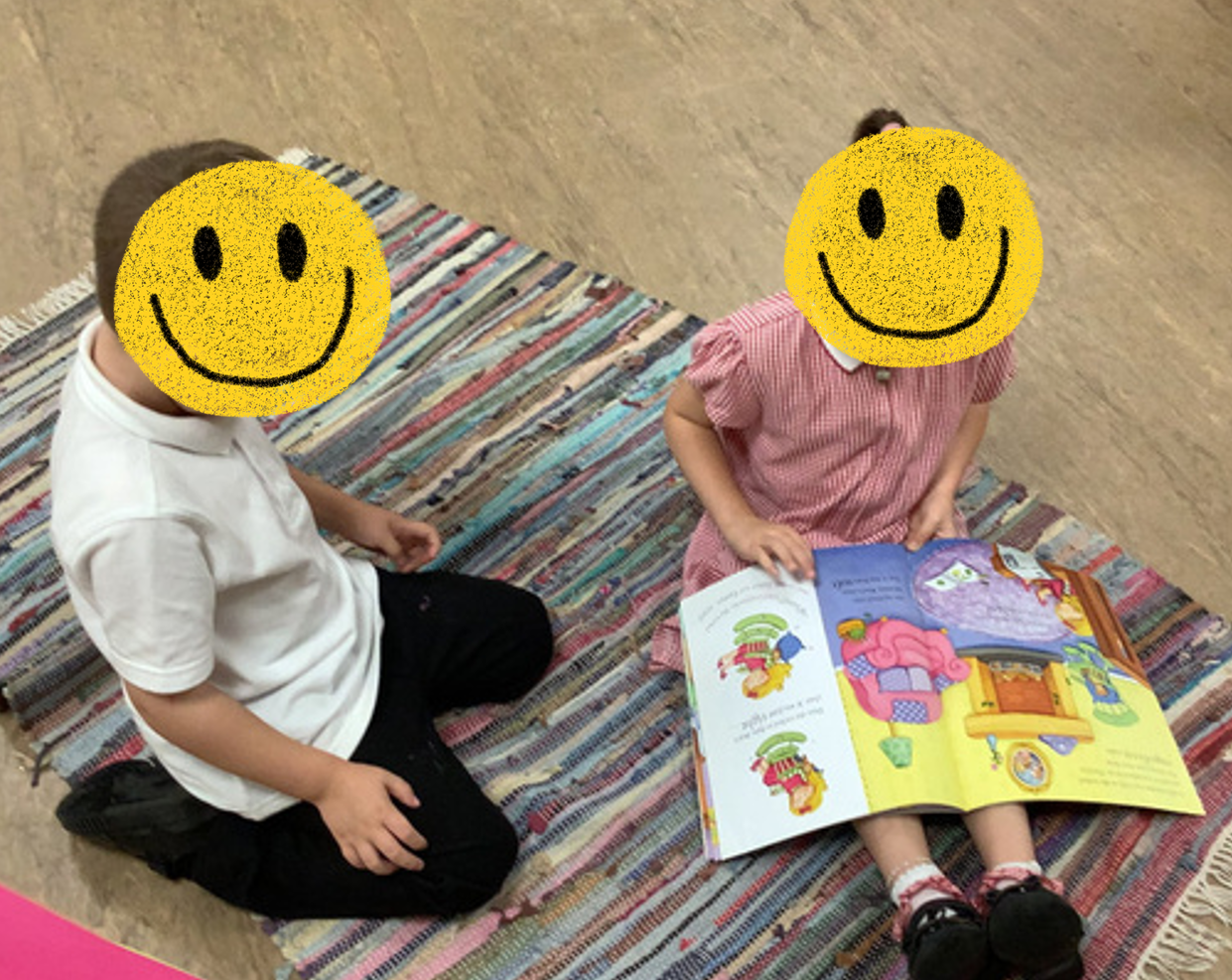
At our school, we provide children with daily opportunities to practise their reading fluency and develop core comprehension skills during whole-class guided reading lessons. Each reading lesson provides children with prosodic opportunities (echo reading and choral reading) for the children to build reading fluency and confidence as they can hear correct phrasing, intonation and pacing while also supporting their comprehension. Each lesson then proceeds to focus on one reading-related comprehension skill to reduce cognitive load. Key Stage 1 and Key Stage 2 are taught skills closely linked to the National Curriculum content domains:
-
Retrieval (KS1 and KS2)
-
Inference (KS1 and KS2)
-
Vocabulary (KS1 and KS2)
-
Prediction (KS1 and KS2)
-
Sequencing (KS1)
-
Summarising (KS2)
-
Comparison within and between texts (KS2)
-
Author’s Choice and Intent (KS2)
Reading in Year 1
In Year 1, children are exposed to high-quality texts each week. These link with Drawing Club and Curious Quests as well as other areas of the curriculum, allowing children to make links between their learning. Texts are shared through prosodic opportunities (echo reading and choral reading) for the children to build reading fluency and confidence as they can hear correct phrasing, intonation and pacing while also supporting their comprehension. Children spend three reading sessions reading a whole class text and answering comprehension questions based on the reading skills. They also spend three reading sessions reading carefully matched phonetically decodable texts in small groups before taking the book home to celebrate their reading.
Reading in the rest of the school
Through our reading curriculum, these skills are revisited frequently in a spiral model which enables them to regularly practise and master these skills throughout a broad range of texts and genres. During each lesson, children practise answering questions based on the taught reading lesson. Questions are scaffolded in a variety of ways to ensure all children can access them and progressively get challenging to extend those that require a challenge. There is also a champions challenge which challenges children to engage in the text and provide a response beyond the reading skills. For instance, asking the children to provide their own view on circumstances that have occurred within the text. Their learning is marked daily, predominately through ‘live marking’ and verbal feedback, which gives the children instant feedback they can act upon and further achieve in the lesson. These also ensure that misconceptions are addressed.
Furthermore, in our lessons, children read carefully chosen texts which intend to inspire a love of reading and promote their understanding of children’s rights and how characters and events uphold and relate to our Combs Code. Many books have been chosen to support our wider curriculum, providing greater purpose, engagement and enjoyment of reading. We include a range of fictional texts, non-fiction texts and poetry. We also ensure that children experience a range of different genres, text types (diary entries, biographies, graphic novels, etc.) and extracts across their reading journey at Combs Ford. Therefore, as text length varies, some units may only last a week, while some units may last multiple weeks. For instance, children in KS2 are more likely to study a novel for numerous weeks. Reading oracy is crucial within all our lessons. Children discuss vocabulary pre-reading to boost fluency and comprehension. Children have a range of opportunities to formulate their thoughts and ideas through peer discussions. This acts as a bridge for reading fluency, allowing them to process stories deeply and therefore strengthening their understanding of complex texts. Children also learn crucial social and emotional skills such as listening and turn-taking.
Our reading spine aims to provide our children access to a range of different texts, authors and genres they might not independently encounter or choose. Books are chosen carefully on a range of recommendations, including the National Literacy Trust, The Book Trust and Books for Topics. This ensures that children encounter different genres (e.g. comedy, crime and mystery, historical fiction, science fiction, traditional literature, etc. They also have exposure to texts with complex narratives, figurative and symbolic texts, archaic language to study differences in vocabulary and syntax in comparison to modern texts. Children will also read books which deal with important themes, stories with different cultural settings. Overall, our bookshelf ensures children experience a curated, diverse and high-quality range of books, fostering a lifelong love of reading and shared literary heritage.
Beyond the classroom, the children have access to a well-stocked library. They have regular opportunities to read for a variety of purposes, such as reading for enjoyment and reading to gather information. Children are encouraged to read books which interest them. At Combs Ford, we use Accelerated Reader (AR) in Key Stage 2. Children are given a target and can read books comfortably, at their own pace and level. It provides a zone of proximal development to ensure that the books are challenging enough but accessible. After reading their chosen book, children can quiz to assess their understanding of what they have read. Teachers are then able to quickly identify children who need additional support or those who require a challenge.
Impact
The aim and intension of our reading curriculum is clear: encourage children to develop crucial reading skills in fluency and comprehension while fostering an enjoyment of reading that will enable them to succeed in various curriculum areas. This impact is evident in the progress and attainment of its pupils. High quality work is evidenced within our reading books. Lessons show progression of skills and knowledge. Our carefully curated cross-curricular links in lessons help build confidence, motivate children and support them in forming links between concepts and allow the application of these skills within the curriculum. With access to a range of resources such as the library and Accelerated Reader, children across year groups respond positively and speak enthusiastically about their reading.
Our reading spine provides children with opportunities to enrich their vocabulary, broader knowledge of the world and access complex books readily preparing them for their future education.
A range of assessment strategies are used to track progress and attainment. This includes teacher assessment, peer assessment and their own self-assessment. These are recorded and monitored on Insight and analysed through termly pupil progress meetings.
Overall, our reading curriculum at Combs Ford Primary School has a profound impact on our children’s literacy skills and attitudes towards reading. Promoting a love for reading, developing crucial and essential reading skills, empowers its learners to succeed and thrive.
Subject Leader: Mrs Oakley